
5 Essential SEO Strategies for Small Businesses in 2024
By John Doe on January 15, 2024
In today's competitive digital landscape, a strong online presence is no longer optional for small businesses – it's a necessity. Search Engine Optimization (SEO) is the cornerstone of this presence, enabling your target audience to find you amidst the noise. For small businesses, effective SEO can level the playing field against larger competitors, driving organic traffic, increasing brand visibility, and ultimately boosting sales. This comprehensive guide will walk you through five essential SEO strategies that every small business should implement in 2024 to thrive online.
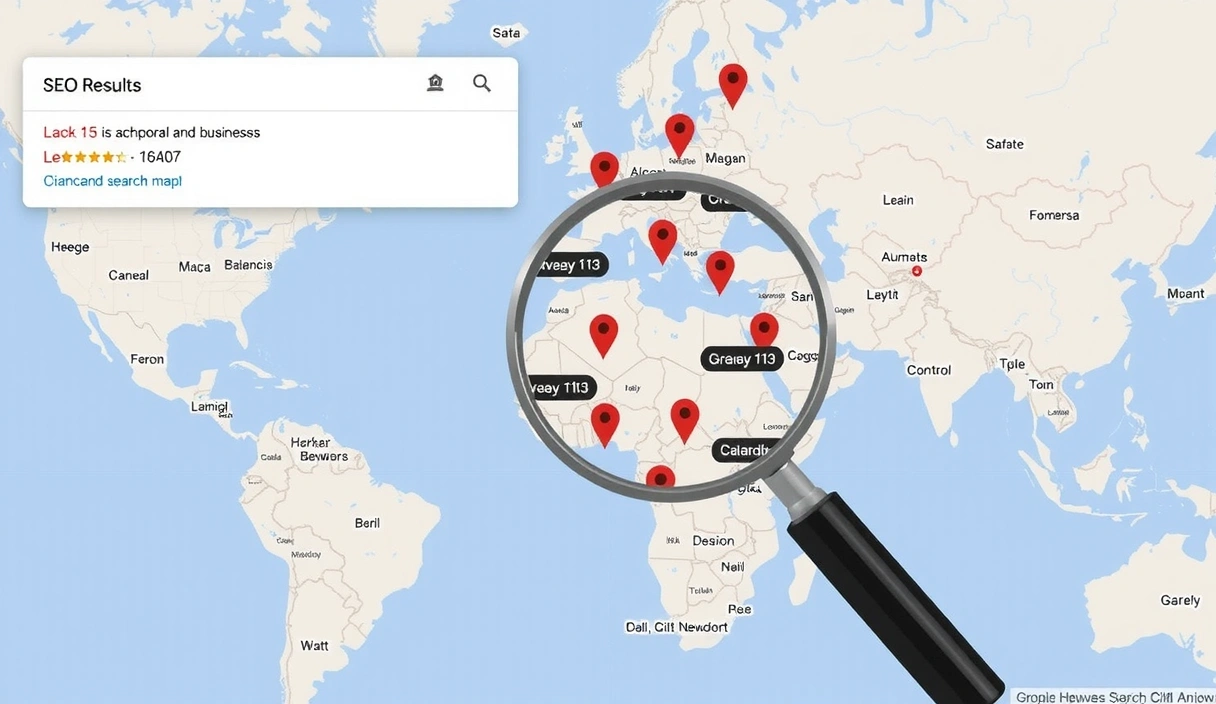
1. Local SEO Optimization: Get Found in Your Neighborhood
For many small businesses, a significant portion of their customer base comes from local searches. Optimizing for local SEO ensures that when potential customers in your area search for products or services you offer, your business appears prominently. This is crucial for brick-and-mortar stores, local service providers, and any business with a geographical target audience.
Google My Business (GMB) is Your Best Friend
- Claim and Optimize Your GMB Profile: This is the single most important step for local SEO. Ensure your business name, address, phone number (NAP), and website are consistent across all online directories. Fill out every section of your GMB profile completely, including business hours, photos, services, and a detailed description.
- Encourage Customer Reviews: Positive reviews significantly impact your local search ranking and build trust with potential customers. Respond to all reviews, both positive and negative, professionally and promptly.
- Post Regularly: Use the GMB 'Posts' feature to share updates, offers, events, and new products. This keeps your profile active and engaging.
Local Citations and Consistency
Beyond GMB, ensure your NAP information is consistent across all online directories, such as Yelp, Yellow Pages, TripAdvisor, and industry-specific listings. Inconsistencies can confuse search engines and negatively impact your ranking.
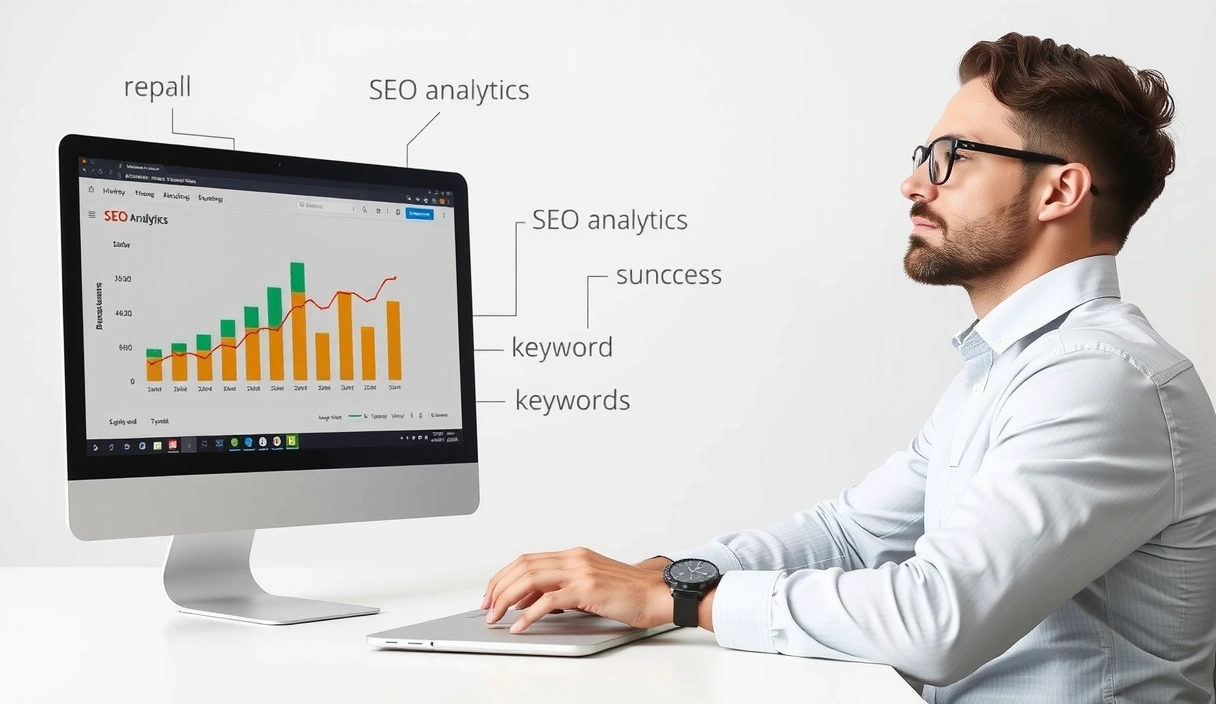
2. Keyword Research & Content Creation: Speak Your Audience's Language
Understanding what your target audience searches for is fundamental to SEO. Effective keyword research helps you identify the terms and phrases potential customers use, allowing you to create content that directly addresses their needs and questions.
Identify High-Intent Keywords
- Use Keyword Research Tools: Tools like Google Keyword Planner, Ahrefs, Semrush, or Ubersuggest can help you find relevant keywords, analyze their search volume, and assess competition.
- Focus on Long-Tail Keywords: These are more specific, longer phrases (e.g., "best organic coffee shop in downtown Cluj-Napoca") that often have lower search volume but higher conversion rates because they indicate stronger user intent.
- Analyze Competitors: See what keywords your successful competitors are ranking for and identify opportunities.
Create High-Quality, Relevant Content
Once you have your keywords, integrate them naturally into valuable content. This includes blog posts, service pages, product descriptions, FAQs, and even videos. Your content should be informative, engaging, and directly answer user queries. Aim for depth and authority on your chosen topics.
3. Technical SEO Basics: Ensure Your Site is Search Engine Friendly
Technical SEO refers to optimizing your website's infrastructure to help search engine crawlers find, crawl, and index your site more efficiently. Even the best content won't rank if search engines can't properly access and understand your website.
Site Speed and Mobile-Friendliness
- Optimize Page Load Speed: Users and search engines alike prefer fast websites. Compress images, leverage browser caching, and minimize code to improve load times. Tools like Google PageSpeed Insights can help you identify areas for improvement.
- Ensure Mobile Responsiveness: With the majority of internet users browsing on mobile devices, a mobile-friendly website is non-negotiable. Google uses mobile-first indexing, meaning it primarily uses the mobile version of your content for indexing and ranking.
Schema Markup and Site Structure
- Implement Schema Markup: This structured data helps search engines understand the context of your content, leading to rich snippets in search results (e.g., star ratings, product prices, event dates).
- Create a Logical Site Structure: Organize your website with a clear hierarchy that makes it easy for both users and search engines to navigate. Use internal linking to connect related pages and distribute "link equity" across your site.
- XML Sitemaps and Robots.txt: Ensure you have an XML sitemap submitted to Google Search Console and a robots.txt file that guides search engine crawlers on what to index and what to ignore.
4. Backlink Building: Earn Authority and Trust
Backlinks (links from other websites to yours) are a strong signal to search engines that your content is valuable and trustworthy. The more high-quality, relevant backlinks you acquire, the higher your domain authority and search rankings are likely to be.
Focus on Quality Over Quantity
- Guest Blogging: Write articles for other reputable websites in your industry, including a link back to your site.
- Broken Link Building: Find broken links on other websites and suggest your content as a replacement.
- Resource Page Link Building: Identify resource pages in your niche and propose your valuable content as a useful addition.
- Local Partnerships: Collaborate with other local businesses for mutual linking opportunities.
Avoid Black Hat Techniques
Never engage in shady link-building tactics like buying links or participating in link farms. These "black hat" techniques can lead to severe penalties from search engines, harming your SEO efforts in the long run.
5. Monitor & Adapt: SEO is an Ongoing Process
SEO is not a one-time task; it's an ongoing process that requires continuous monitoring, analysis, and adaptation. Search engine algorithms change frequently, and your competitors are constantly optimizing their strategies.
Utilize Analytics Tools
- Google Analytics: Track website traffic, user behavior, bounce rates, and conversion rates. Understand where your visitors come from and how they interact with your site.
- Google Search Console: Monitor your site's performance in Google search results, identify crawling errors, see which keywords you're ranking for, and understand your click-through rates.
- Rank Tracking Tools: Use tools to monitor your keyword rankings over time and see the impact of your SEO efforts.
Stay Updated and Iterate
Keep abreast of the latest SEO trends and algorithm updates. Regularly review your strategies, identify what's working and what's not, and make adjustments as needed. SEO is a marathon, not a sprint, and consistent effort yields the best long-term results.
By implementing these five essential SEO strategies, small businesses can significantly improve their online visibility, attract more qualified leads, and ultimately achieve sustainable growth in 2024 and beyond. Remember, patience and persistence are key – SEO results often take time to materialize, but the long-term benefits are well worth the investment.
Related Posts
-
3 Tips for Killer Content Marketing
Discover how to create compelling content that resonates with your audience and drives engagement.
-
Understanding Google Analytics: A Beginner's Guide
Unlock the power of data to understand your website's performance and user behavior.
-
The Future of SEO: What to Expect in the Next 5 Years
Stay ahead of the curve with insights into the evolving landscape of search engine optimization.